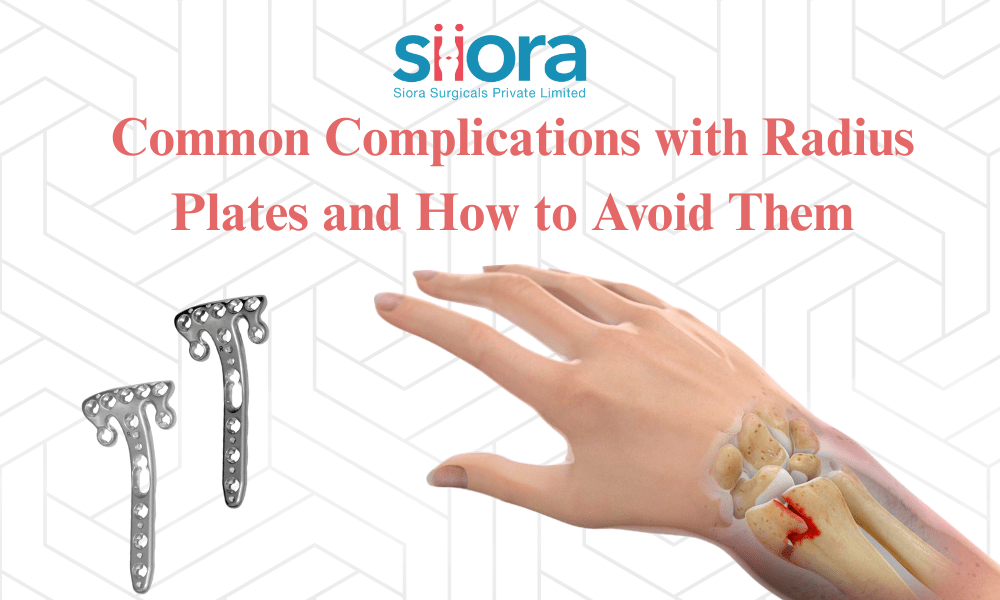
Radius fractures, particularly those affecting the distal end, are among the most common injuries treated by orthopedic surgeons. Radius plates, especially locking compression plates, are often used for surgical fixation in both simple and complex fractures. While these implants offer excellent stability and support for bone healing, complications can still occur. Recognizing potential pitfalls and taking proactive steps during and after surgery can significantly reduce the risk of problems. Here’s a human-centered overview of common complications associated with radius fracture plates and how they can be avoided.
Complications that May Occur with Radius Plates
Infection at the Surgical Site
One of the most frequent complications following any orthopedic surgery is infection. Though relatively rare in clean elective procedures, it can happen, especially in cases involving open fractures or compromised soft tissues.
Avoidance Tips
Prevention starts with proper sterilization and surgical technique. Surgeons must follow strict aseptic protocols in the operating room. Additionally, patients should be advised to keep the wound clean and dry post-surgery. If there are signs like redness, swelling, or unusual discharge, they should consult their doctor immediately.
Tendon Irritation or Rupture
Radius plates are placed on the volar (palm-side) aspect of the forearm, in close proximity to flexor tendons. Improper plate positioning or using bulky implants can lead to tendon irritation or even rupture, especially of the flexor pollicis longus (FPL).
Avoidance Tips
Surgeons should ensure proper contouring and positioning of the plate, keeping it low-profile and away from critical tendon pathways. Regular follow-up X-rays can help monitor implant placement and detect any early signs of irritation. If patients experience unusual pain or reduced thumb movement, it should not be ignored.
Malunion or Nonunion
When the fractured bone doesn’t heal in the correct position (malunion) or fails to heal altogether (nonunion), patients may suffer long-term issues with wrist motion and strength.
Avoidance Tips
Accurate reduction of the fracture and stable fixation with a well-fitted plate are critical. Surgeons should also assess the patient’s bone quality, as poor bone health can affect healing. Smokers, diabetics, and those with osteoporosis may need additional care and time for recovery. Adherence to post-operative guidelines is just as important—patients should avoid overuse of the limb until full healing is confirmed.
Hardware Prominence or Irritation
In slim individuals, plates and screws can become prominent beneath the skin, leading to discomfort or irritation. Sometimes, the hardware may even cause localized inflammation or pain with motion.
Avoidance Tips
Using anatomically contoured and low-profile implants minimizes this risk. Post-operative imaging helps in assessing hardware position relative to the surrounding soft tissues. If the discomfort persists after bone healing, hardware removal may be considered, though it’s not routinely necessary.
Nerve Damage
Improper surgical technique can inadvertently damage nearby nerves, especially the superficial radial nerve or median nerve, leading to numbness or tingling in the hand or fingers.
Avoidance Tips
Meticulous dissection and awareness of nerve pathways are crucial during surgery. If a patient reports numbness or unusual sensations post-operatively, it should be evaluated without delay. In most cases, nerve irritation resolves over time, but persistent symptoms may need further examination.
Stiffness and Loss of Wrist Function
Immobilization for too long or a lack of early rehabilitation can result in wrist stiffness, limiting range of motion, and impacting daily activities.
Avoidance Tips
Once the fracture is stable enough, gradual motion exercises should begin, ideally under the guidance of a physiotherapist. Patients should be encouraged to stay consistent with their rehab plan, as regaining function can take time.
Final Thoughts
Radius plates have transformed the way we treat distal radius fractures, offering reliable fixation and faster recovery. However, like any other orthopaedic implant, these hand plates also come with potential risks. The key lies in careful surgical planning, precise execution, and patient education. Open communication between the surgeon and patient, regular follow-ups, and early intervention when issues arise can make a significant difference in outcomes.
Ultimately, being aware of the possible complications helps in making more informed choices and ensures a smoother path to healing.
 Trauma Instruments