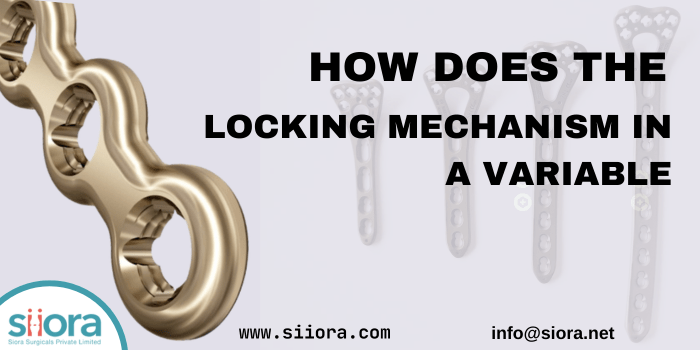
Orthopedic surgical techniques have significantly evolved over recent years, and one of the most groundbreaking innovations is the variable angle plate. These plates are commonly used in trauma and reconstructive surgeries to stabilize fractures and promote healing. A key feature of these plates is the locking mechanism, which plays a critical role in enhancing stability. In this blog, we will delve into how the locking mechanism in a variable angle plate works and how it contributes to improved outcomes in orthopedic procedures.
What is a Variable Angle Locking Plate?
A variable angle locking plate is a specialized metal plate that is surgically attached to bones to treat fractures, particularly complex or multi-fragmentary ones. Unlike traditional plates, which only compress against the bone, variable angle plates allow surgeons to insert screws at various angles. This versatility is essential in accommodating different fracture types and anatomical variations. The adjustable screw angles make the plate more adaptable to complex bone shapes, improving the fit and stability of the fixation.
How Does the Locking Mechanism Work?
The key innovation in variable angle plates is the locking mechanism that secures screws into the plate at varying angles. Traditional screws apply pressure directly onto the bone, which can sometimes cause the bone to shift or compress over time, potentially compromising stability. In contrast, locking screws in a variable angle plate thread directly into the plate itself rather than solely relying on bone compression.
This threading creates a fixed connection between the screw and the plate, effectively locking them together. This “fixed-angle construct” distributes forces across the plate and bone in a way that minimizes micro-movements and resists shifts. The locking screws can be angled as per the fracture’s requirements, and once locked, they provide a rigid framework that holds the bone fragments in place.
Enhanced Stability Through Controlled Angle Flexibility
One of the primary advantages of variable angle locking plates is the freedom they provide to adjust screw angles. Fractures are rarely uniform, and bones often have unique shapes, which can complicate fixation in traditional plates. The variable angle system enables surgeons to customize the screw angle based on the fracture’s location, alignment, and structural needs. For instance, in challenging fractures near joints or in smaller bones, the ability to alter screw angles ensures more secure and anatomically accurate fixation. This adaptability prevents stress concentration at specific points, distributing load evenly and reducing the risk of mechanical failure.
Moreover, the controlled locking mechanism reduces the chances of “toggle” — a common issue in non-locking screws where slight movements can create instability. With locking screws securely threaded into the plate, the potential for micro-movements at the fracture site is minimized, which is essential for promoting healthy bone healing.
Benefits of Increased Stability
The enhanced stability provided by the locking mechanism is crucial for fracture healing. Rigid fixation reduces the risk of secondary displacement and promotes optimal conditions for bone regeneration. Patients benefit from quicker recovery times, less post-surgical pain, and reduced likelihood of implant-related complications.
Additionally, the stability offered by variable angle locking plates allows for early mobilization, which is particularly beneficial in elderly patients or those with reduced bone density. Early movement and weight-bearing can prevent complications related to prolonged immobility, such as muscle atrophy and joint stiffness.
Conclusion
The locking mechanism in variable angle plates revolutionizes fracture fixation by enhancing stability and adaptability. Through its fixed-angle construct, it distributes forces more effectively and reduces micro-movements, providing a stable environment for healing. The ability to customize screw angles to the specific fracture not only ensures a more anatomically accurate fit but also reduces the risks associated with traditional non-locking systems. This innovation has proven invaluable in orthopedic surgery, promoting faster and more reliable recovery for patients.To learn about recent advancements in the orthopedic industry and interact with global brands, register for the Annual Orthopedics Conference.
 Trauma Instruments