When we think about the amazing movements of the arm, turning a doorknob, tossing a ball, or even sipping a cup of coffee, we rarely stop to consider the tiny joints working behind the scenes. One of those small but mighty joints is the radial head joint, often overlooked until something goes wrong. So, what exactly is it? Let’s break it down in the simplest way possible.
Understanding the Anatomy: Where is the Radial Head?
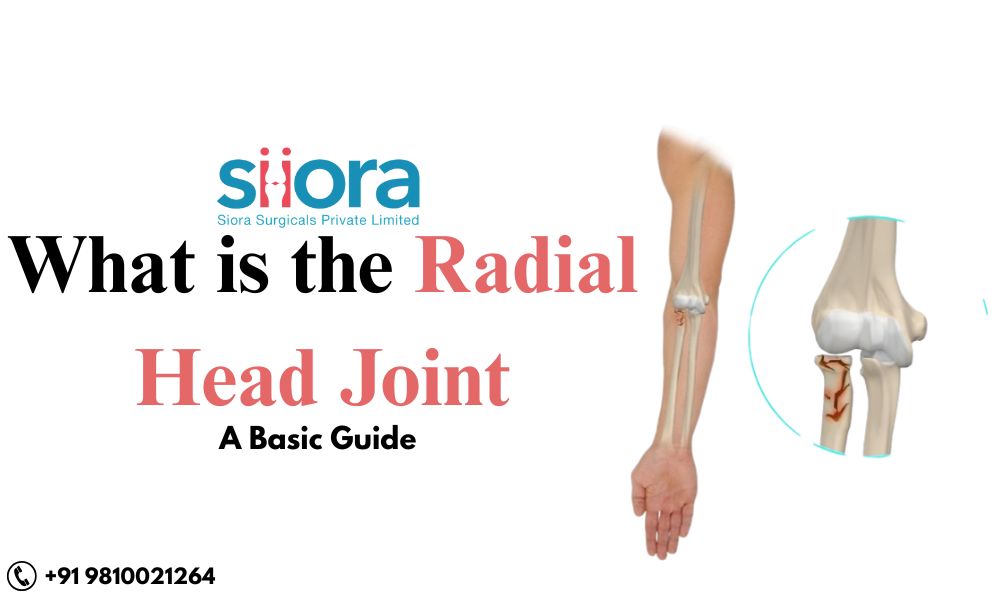
Your arm is made up of three bones: the humerus (upper arm), the ulna, and the radius (the two bones of the forearm). The radial head is the uppermost part of the radius bone. It sits just below your elbow and connects with the capitulum of the humerus. This connection forms a part of the elbow joint known as the radiocapitellar joint.
Think of the radial head as a rounded knob that fits neatly into a groove at your elbow. It helps the forearm rotate so you can turn your palm up (supination) or down (pronation). Without it, simple movements like turning a key or typing would be a struggle.
What Does the Radial Head Joint Do?
Though small, the radial head plays a major role in both stability and motion. Here’s what it does:
- Supports elbow stability: It keeps the elbow stable during weight-bearing activities (like pushing yourself up from a chair).
- Enables rotation: It works with the ulna to allow your forearm to rotate. This motion is essential for everyday tasks.
- Helps absorb force: It helps transmit force from the hand and wrist up through the arm, especially when you’re lifting or bracing.
Common Problems Affecting the Radial Head
Unfortunately, because the radial head does so much, it’s vulnerable to injuries. The most common issue? A radial head fracture is often caused by a fall on an outstretched hand.
Symptoms of a fracture might include:
- Pain near the elbow
- Swelling
- Difficulty rotating the forearm
- Tenderness around the outer elbow
Other conditions include radial head dislocation (more common in children, often referred to as “nursemaid’s elbow”) and arthritis that affects the radiocapitellar joint over time.
How Are Radial Head Injuries Treated?
Treatment depends on the severity of the injury. Minor fractures may just need rest, a sling, and physical therapy. More serious injuries, like displaced fractures or joint instability, might require surgery, such as:
- Radial head fixation (using locking plates and screws to hold the bone together)
- Radial head replacement (replacing the bone with an artificial implant)
Rehabilitation is key in all cases. Gentle motion exercises are often started early to avoid stiffness and regain strength and function.
Why Should You Care?
Even if you’ve never had an elbow injury, understanding how your joints work helps you stay aware of your body’s signals. Feeling discomfort or stiffness in your elbow that doesn’t go away? It might be time to see a doctor. Early intervention can prevent long-term damage.
Also, if you’re into sports, fitness, or physically demanding work, taking care of your joints (including the small ones like the radial head) means better performance and less chance of injury.
Final Thoughts
The radial head joint might not get much spotlight, but it plays a crucial role in how we move and function every day. From helping us rotate our forearms to supporting us when we push, it’s a true unsung hero of the upper limb.
Knowing a bit about this joint can go a long way, especially when it comes to prevention, treatment, and recovery. So, the next time you reach for a cup of tea or high-five a friend, take a moment to appreciate that little round bone just below your elbow, doing its job without complaint.
 Trauma Instruments